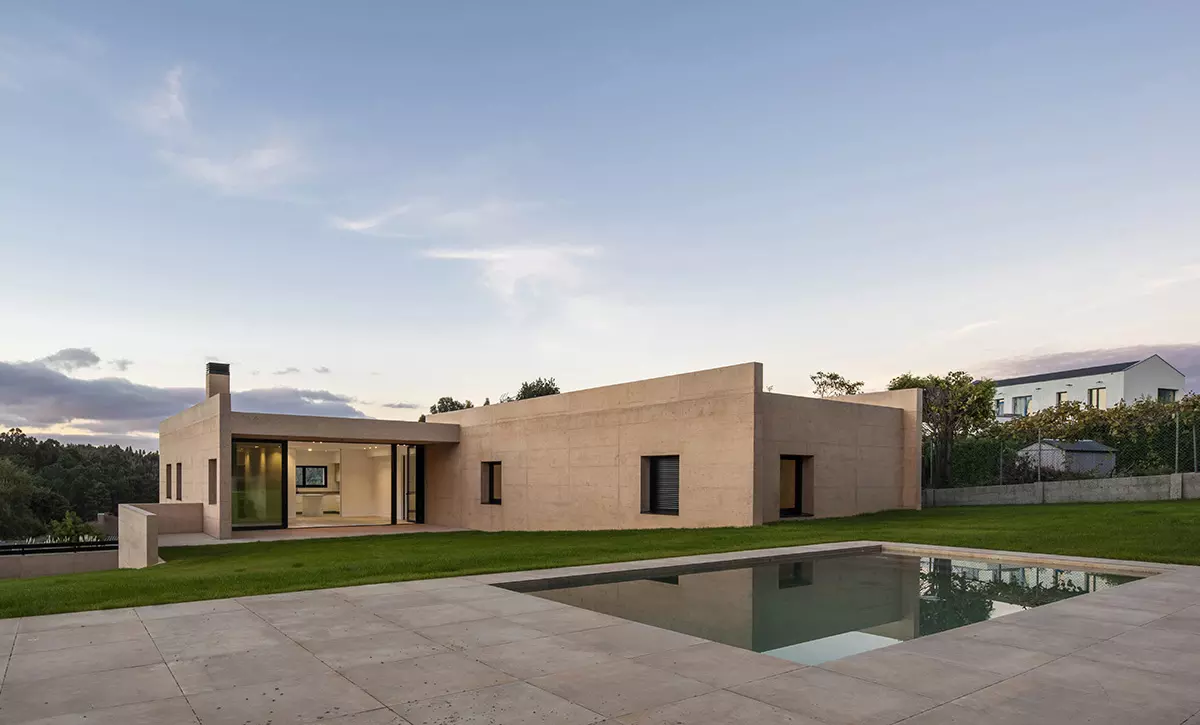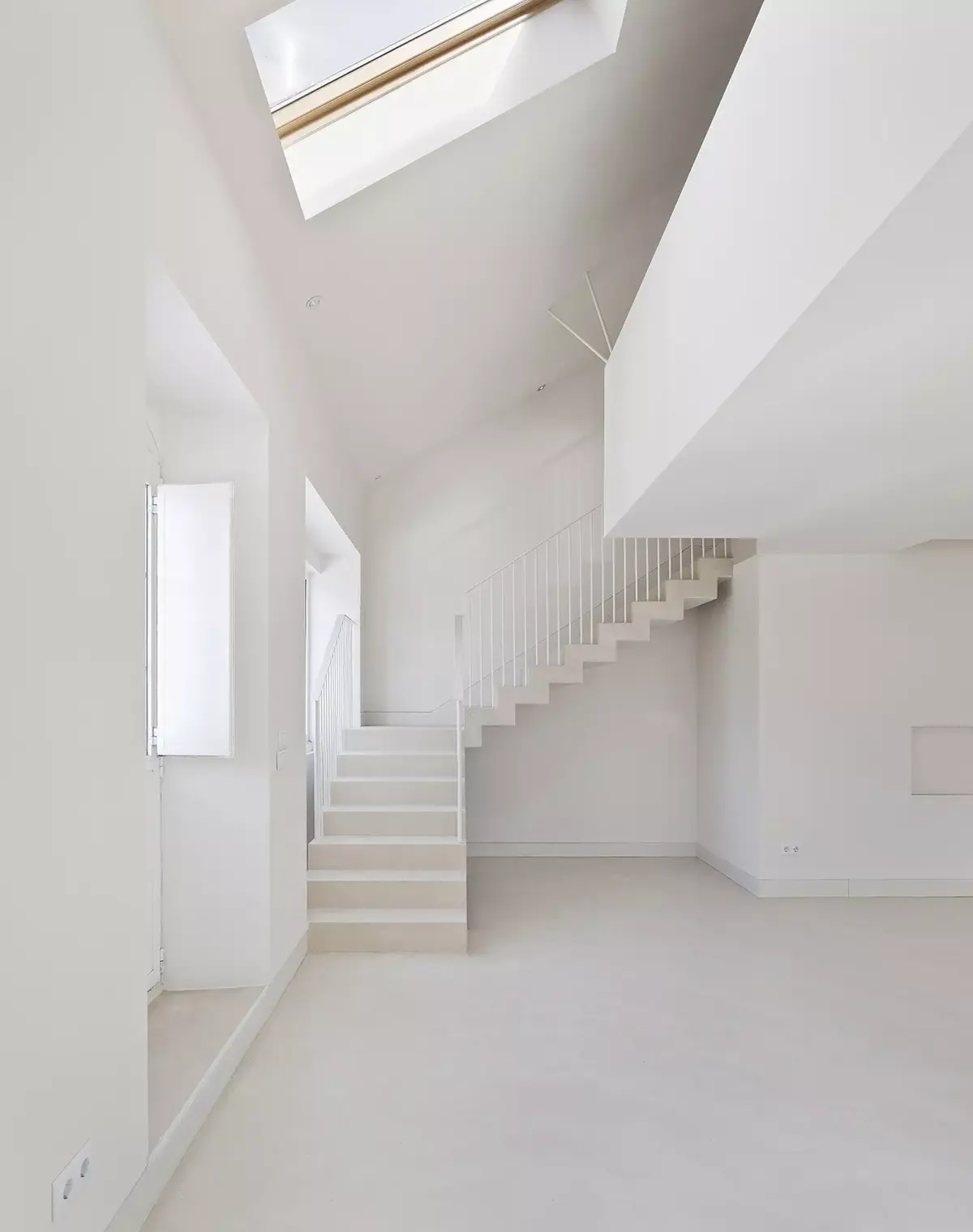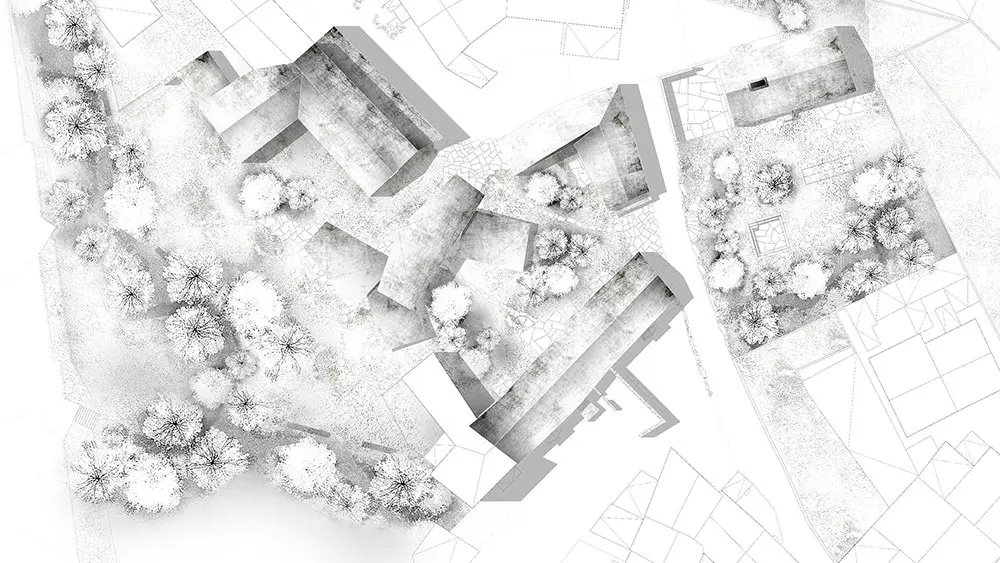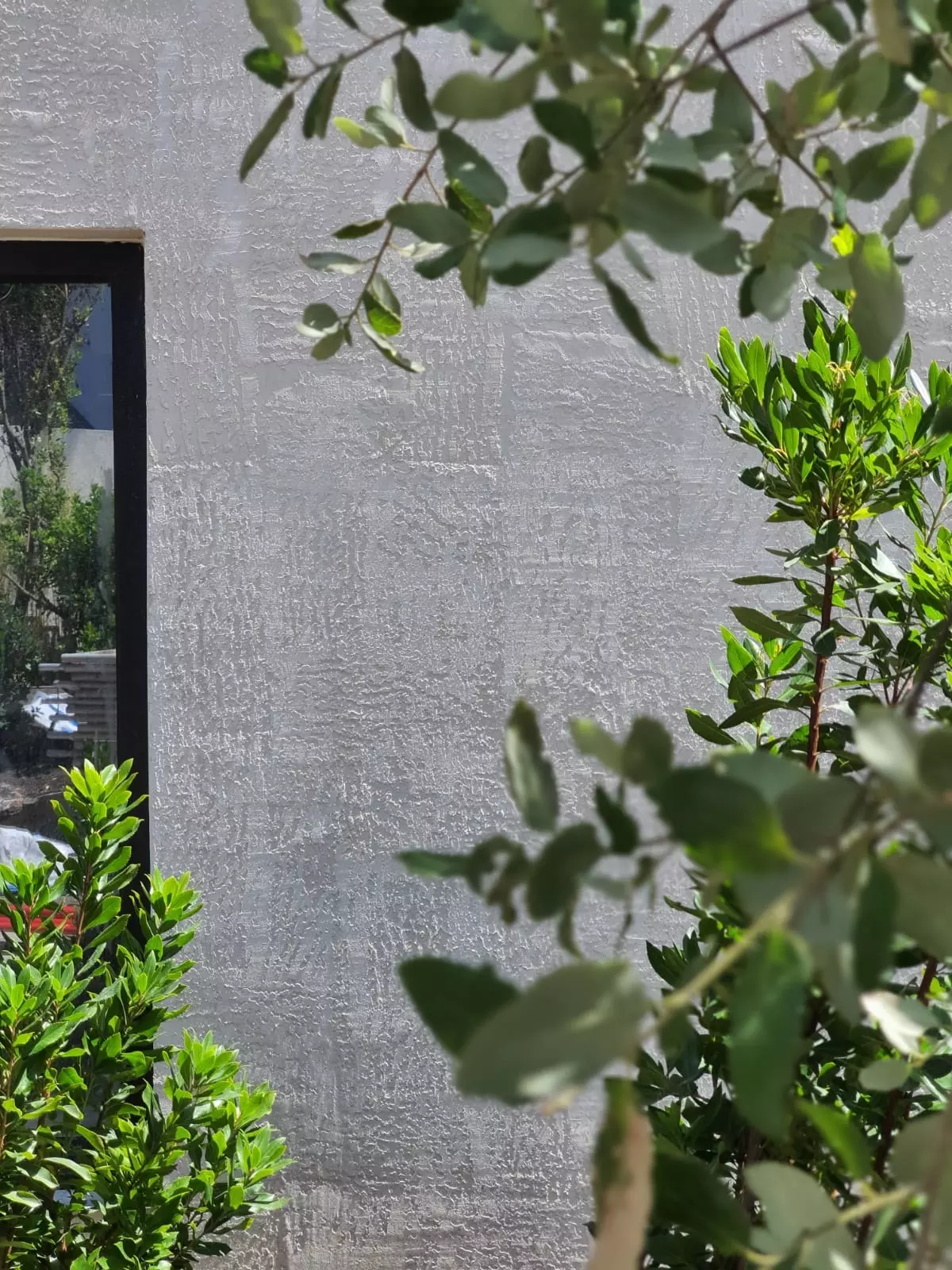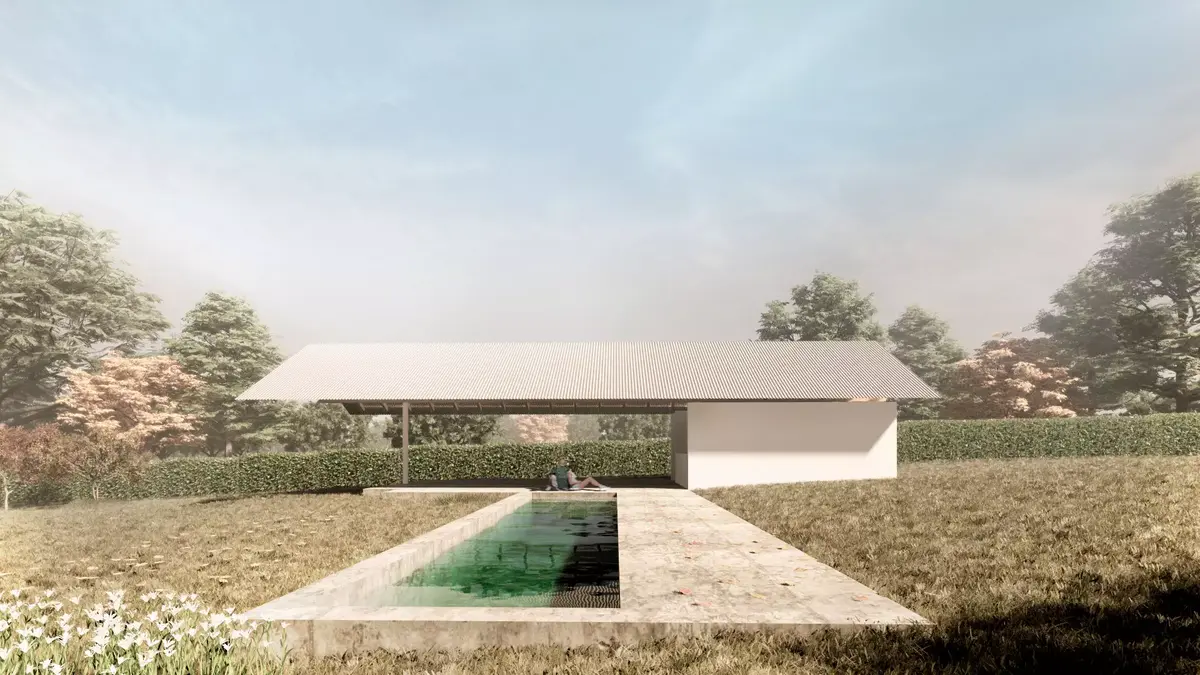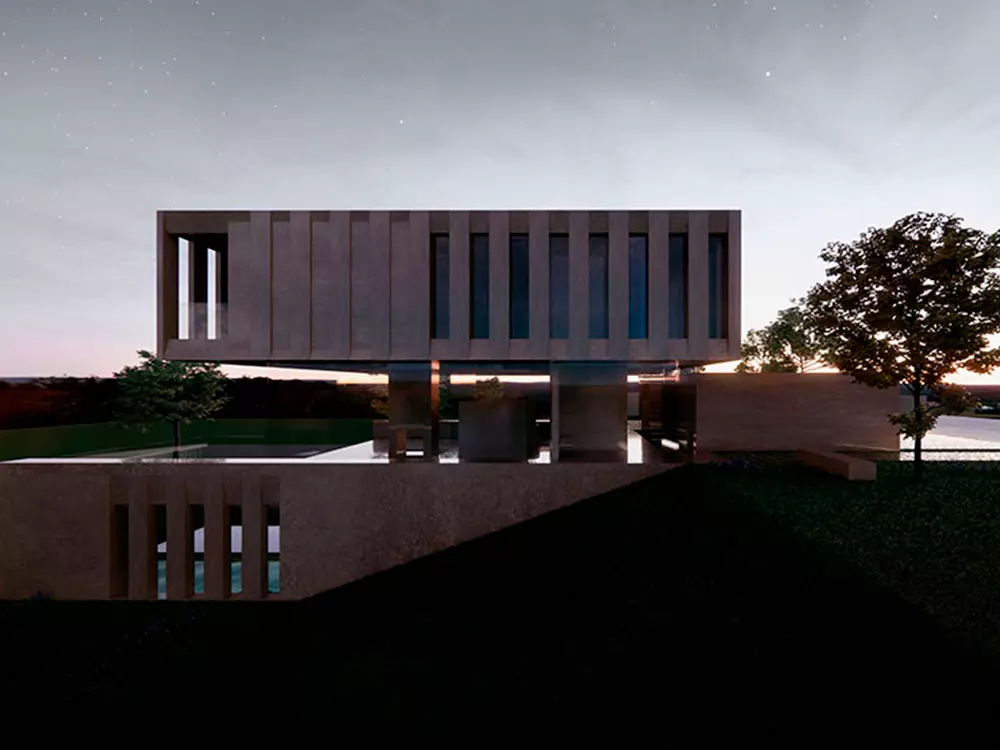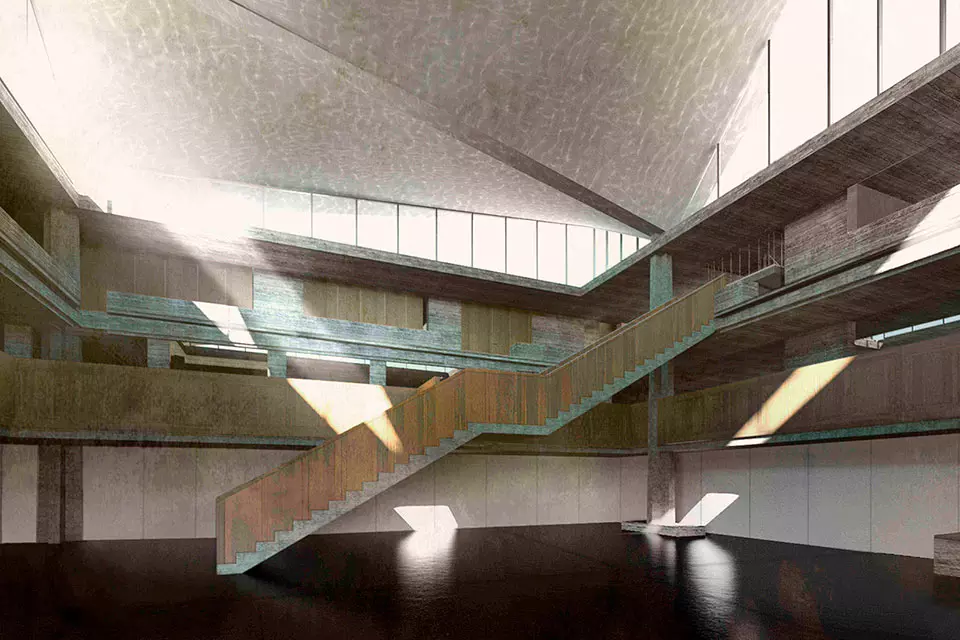
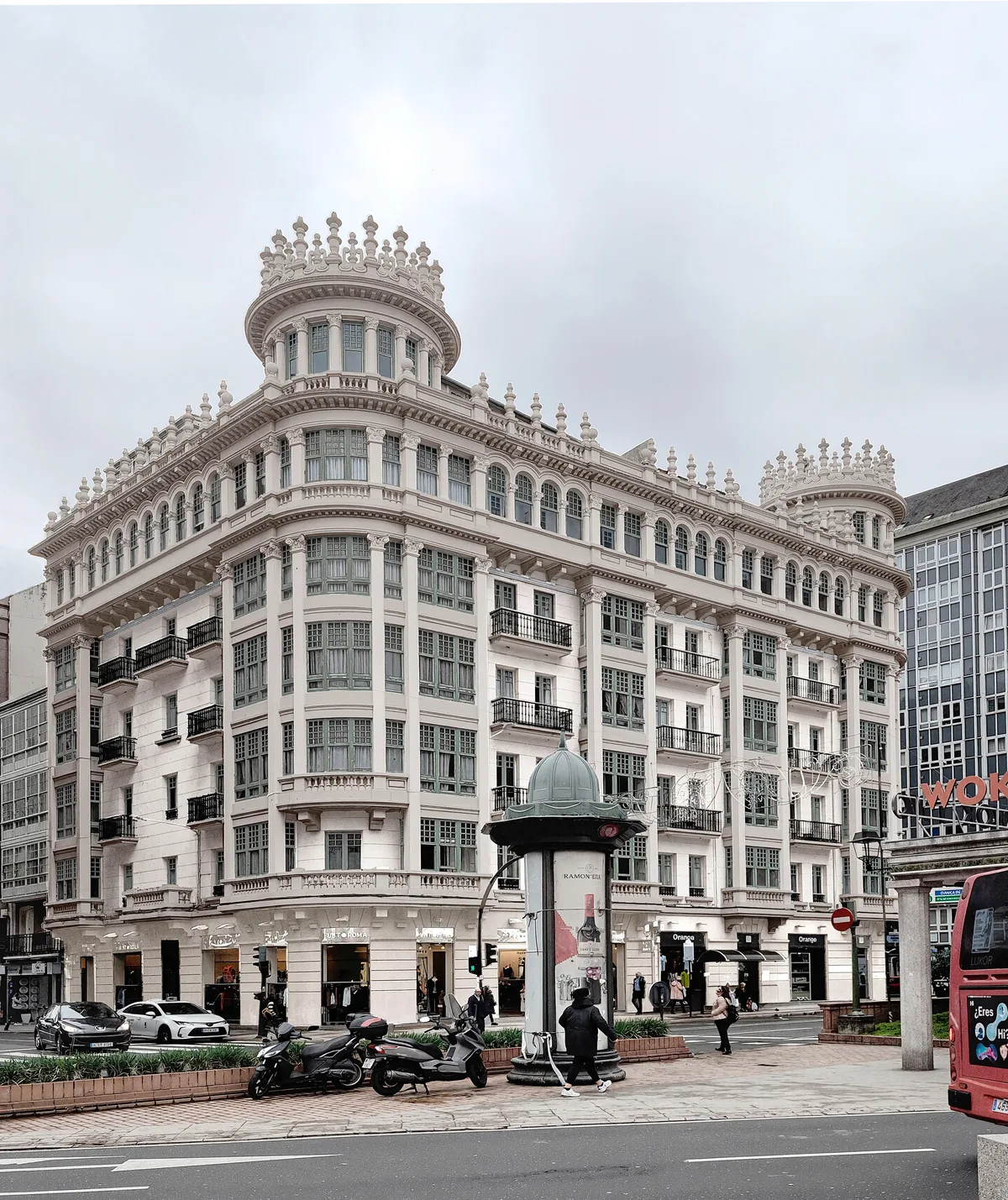
Facade of the Casa Escariz in A Coruña

REHABILITACIÓN CASA ESCARIZ

A Coruña

We are carrying out a comprehensive rehabilitation of the Casa Escariz, one of the most representative works of civil architecture in A Coruña. Working on this giant of approximately 4,500 m² demands great sensitivity for the history, the materials, and the extraordinary atmosphere of the building. We are adapting 1930s spaces to contemporary comfort standards without distorting its original structural essence.
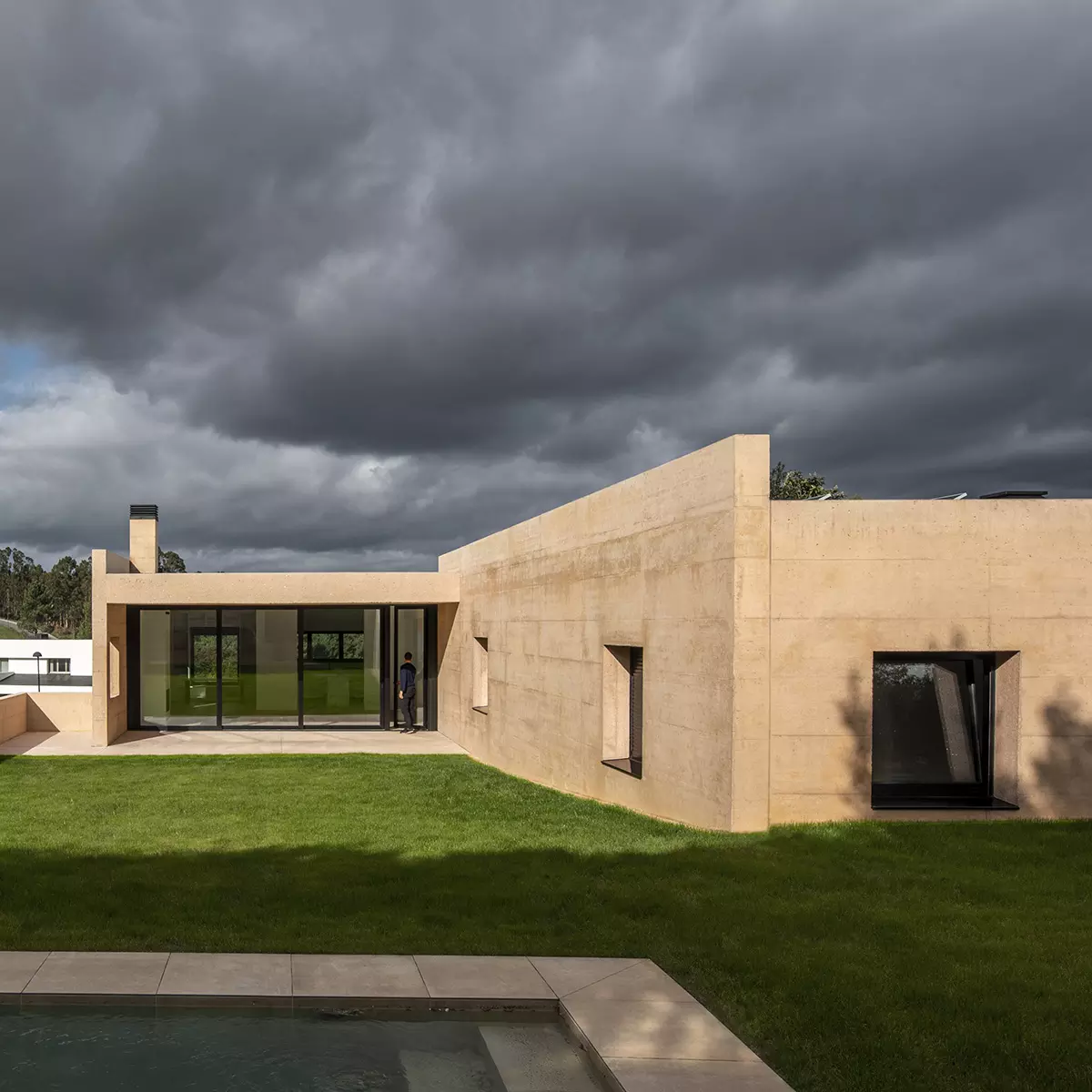
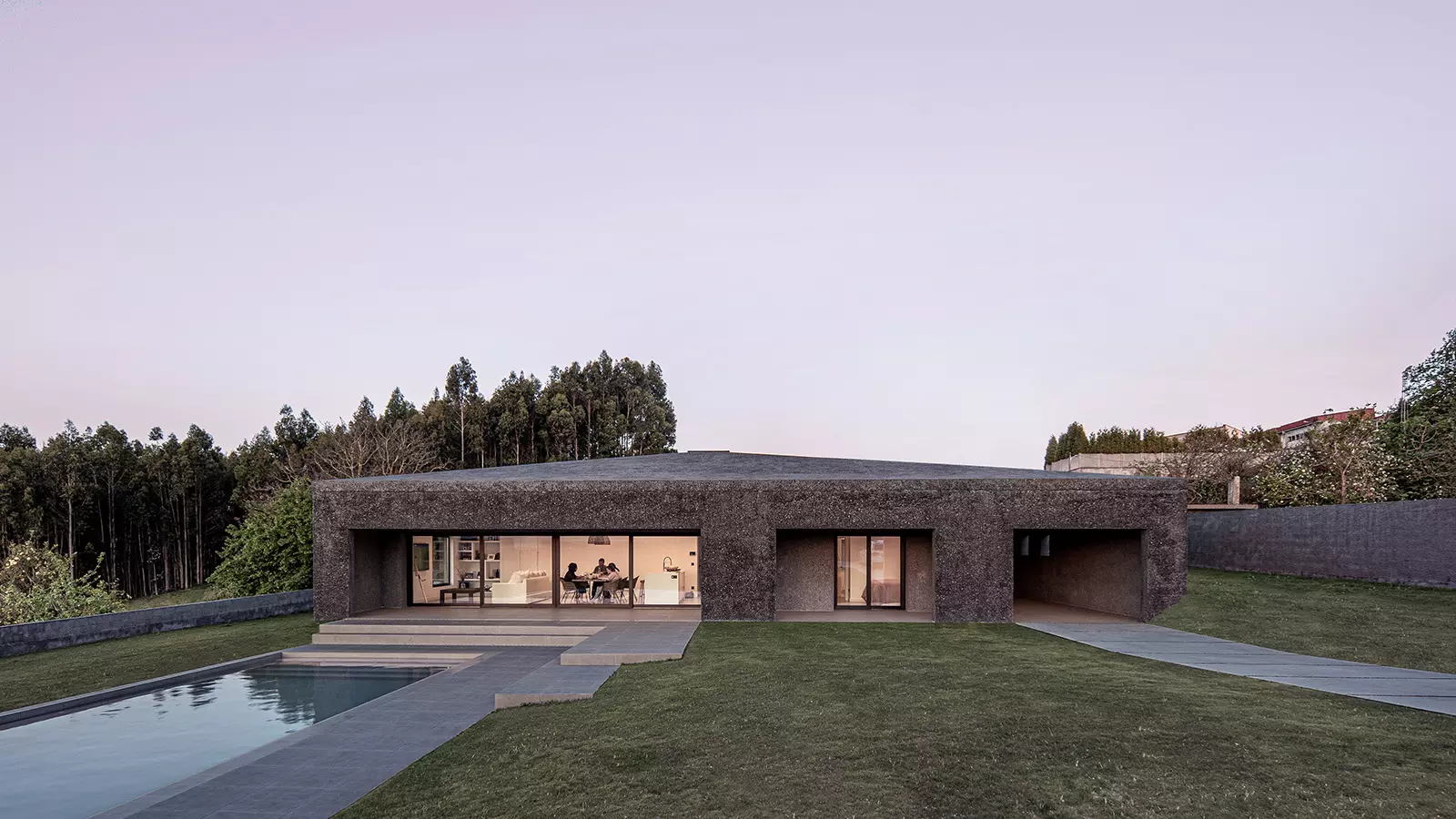
Photo of Casa LD, double nominee for the Building of the Year award

Double nomination for Building of the Year

Casa Hutmann and Casa LD have been nominated for the ArchDaily Building of the Year 2026 awards. The nomination brings attention to two homes in A Coruña and Oleiros that share a timeless, protective architecture closely tied to their natural setting. For the studio, it is news that highlights two ways of living shaped by the character of each place.

Photo of Casa Hutmann, built in A Coruña

HUTMANN HOUSE

A Coruña

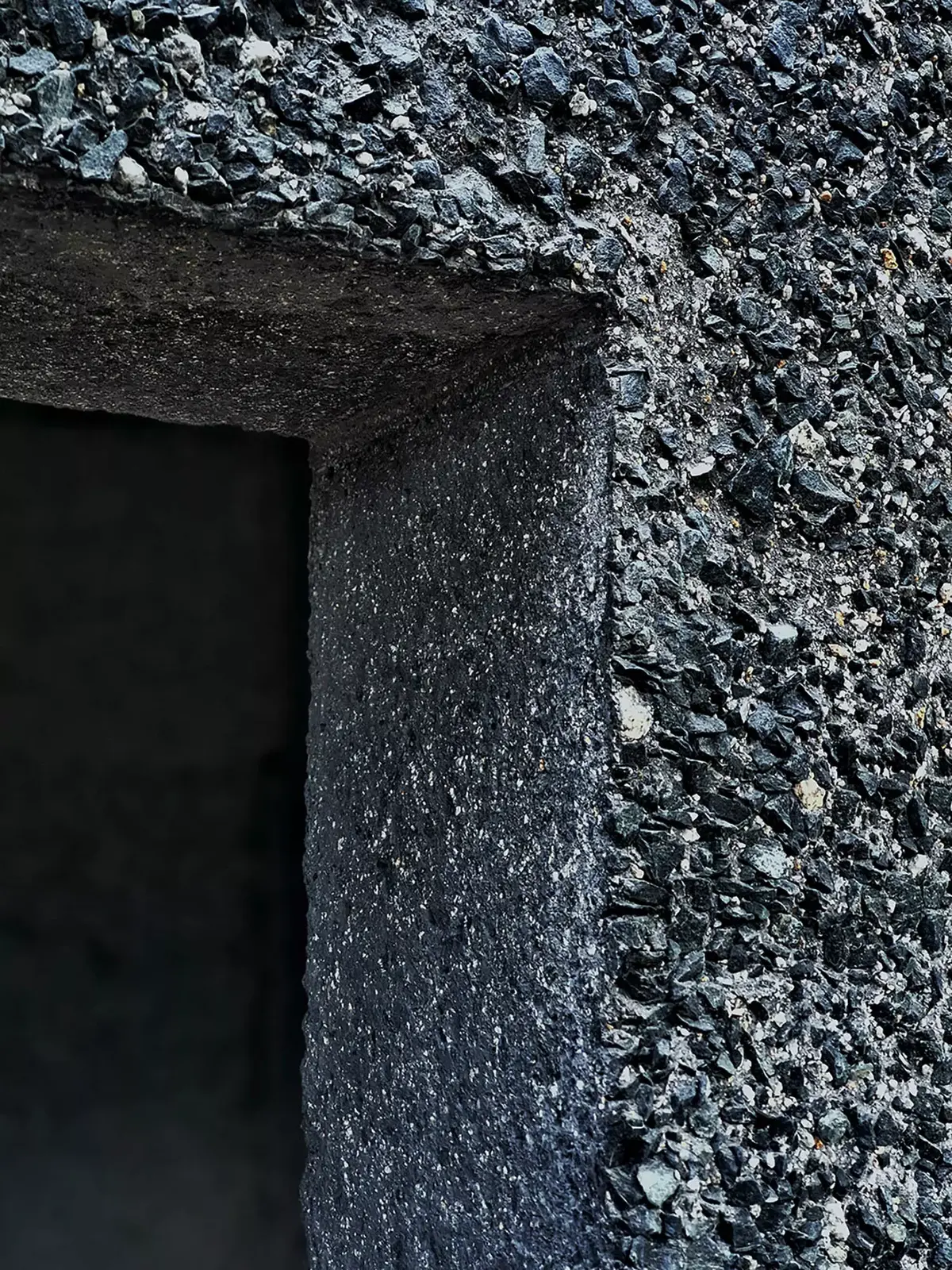
Located on the natural edge of Feáns (A Coruña), this home is conceived as a massive and timeless refuge that dialogues with the urban landscape and the wooded surroundings. Through a materiality of concrete with textile nuances and dark aggregates, the architecture seeks a primitive sense of protection, filtering the interior-exterior relationship through strategic voids. The project culminates in a central core of zenithal light that organizes private life, allowing the house to age with the nobility of traditional stone while framing the sun and nature.

SEA ARQUITECTOS
La Coruna Architects

Architecture is not only to be seen.

At SEA Arquitectos, we conceive architecture with all five senses. From maximum functionality, and rooted in the history and culture of the place, we seek an atmosphere and a soul for each project, pushed to the limit by every detail.

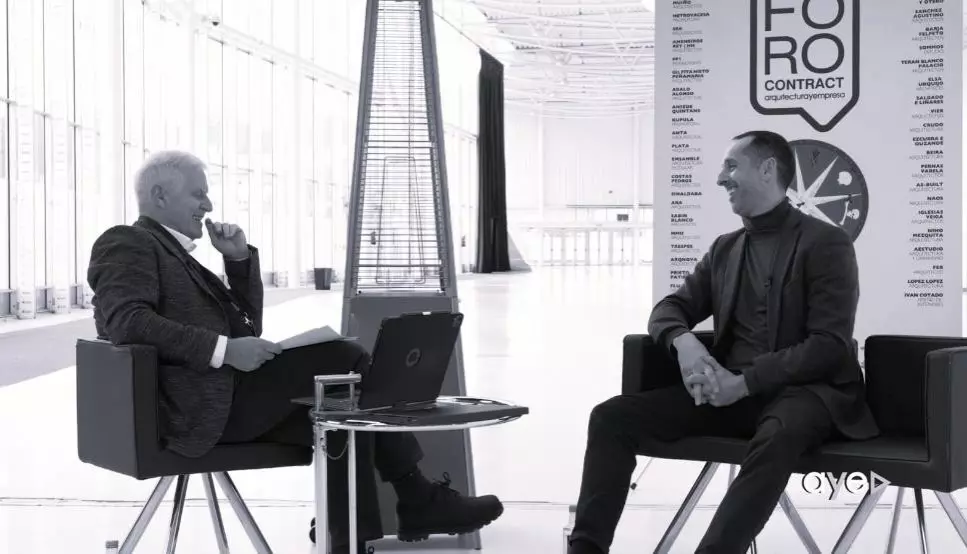
Entrevista a Carlos Graña - Arquitectura y Empresa

Carlos Graña

Managing Partner of SEA Arquitectos. His professional career has developed across the USA, Germany, Switzerland, and India, where he collaborated with Balkrishna Doshi, winner of the 2018 Pritzker Prize. He currently combines architectural practice with doctoral research on Swiss architecture. He has served as academic coordinator at Cesuga for the Master in Timber Design and Construction, and has taught at several universities, including the Higher Technical School of Architecture of A Coruña and the University Institute of Architecture of Venice.

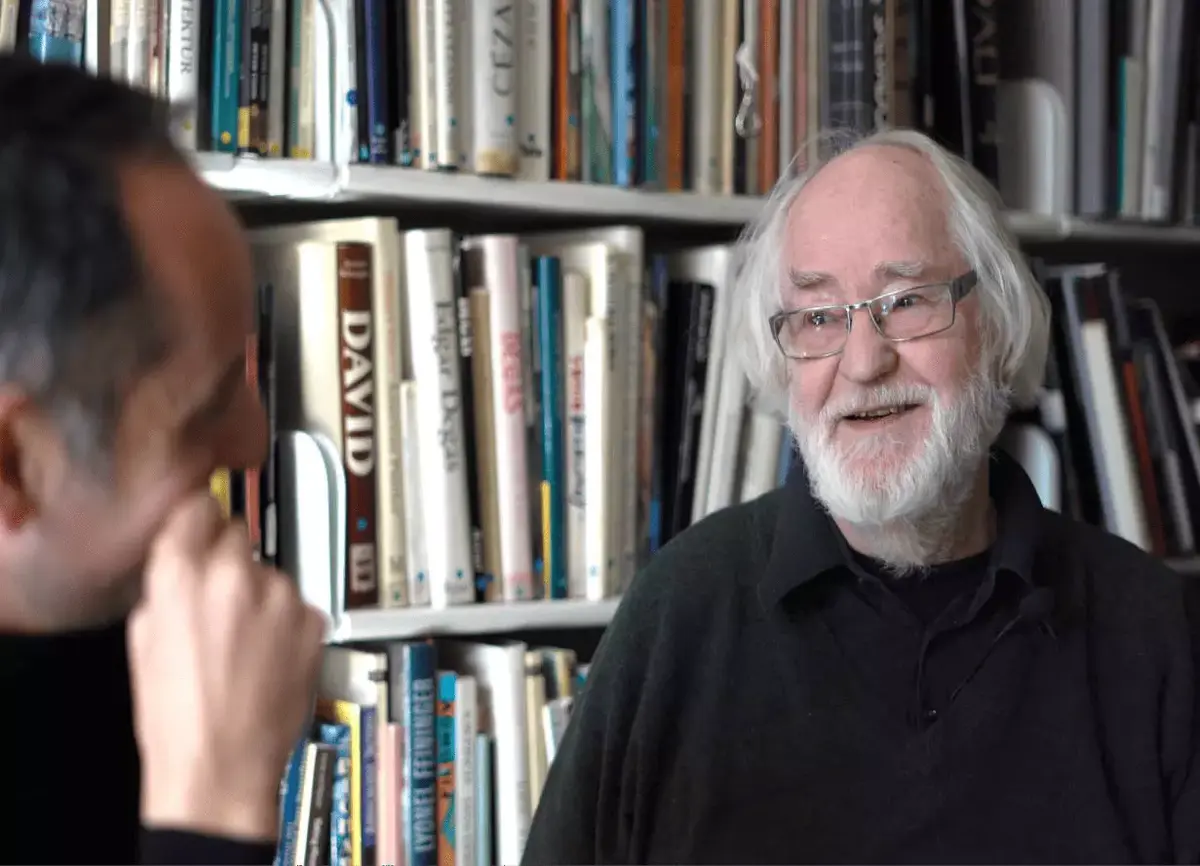
Cover photo of the interview with Juhani Pallasmaa

INTERVIEW WITH JUHANI PALLASMAA.

HELSINKI

A morning of learning at Juhani Pallasmaa’s studio in Helsinki allowed us to delve deeper into his humanist vision of the profession. In contrast to the architecture of the empty image, Pallasmaa defends a practice based on tradition, history, and sensory perception, reminding us of the importance of designing from common sense and for people.

Image of Casa Hutmann

Finalist for the Xunta de Galicia architecture award 2023

Casa Hutmann, designed by Carlos Graña Ramos in Feáns (A Coruña), has been recognized as a finalist for the 2023 Xunta de Galicia Architecture Prize. Set in a wooded area overlooking the city, the project develops a domestic architecture attentive to place, light, and the balance between protection and intimacy.

Photo of the Casa FS project

FS House

Narón

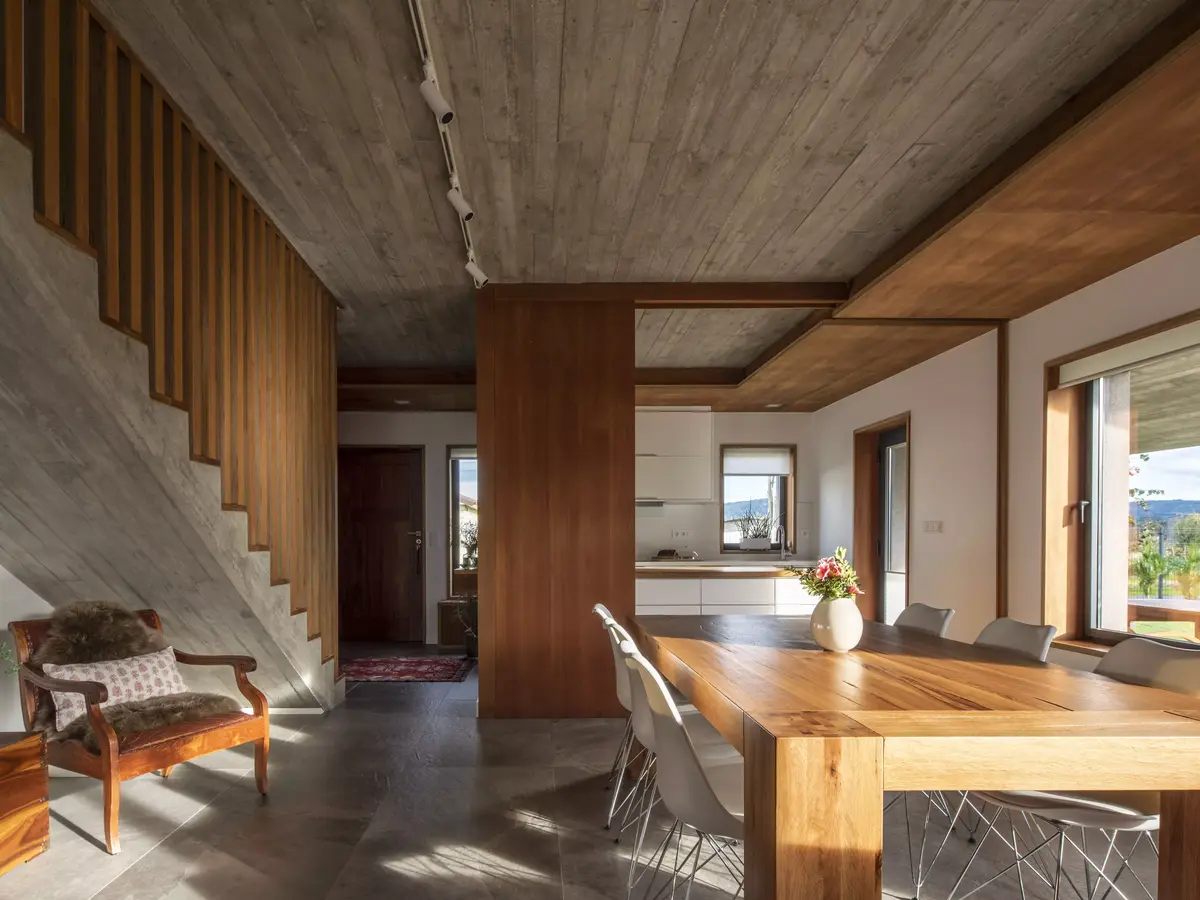
This single-family housing project explores material contrast to create a unique sanctuary where the honesty of exposed concrete and the warmth of cedar define the space. The design focuses on functional architecture with versatile, luminous spaces transformed by sliding panels, prioritizing human contact and ergonomic detail. In the heart of the home, a traditional fireplace coexists with an advanced aerothermal system, achieving an efficient and cozy dwelling that fuses technology and tradition in an environment of maximum comfort.

Photo of the Casa LD project

LD HOUSE

A Coruña

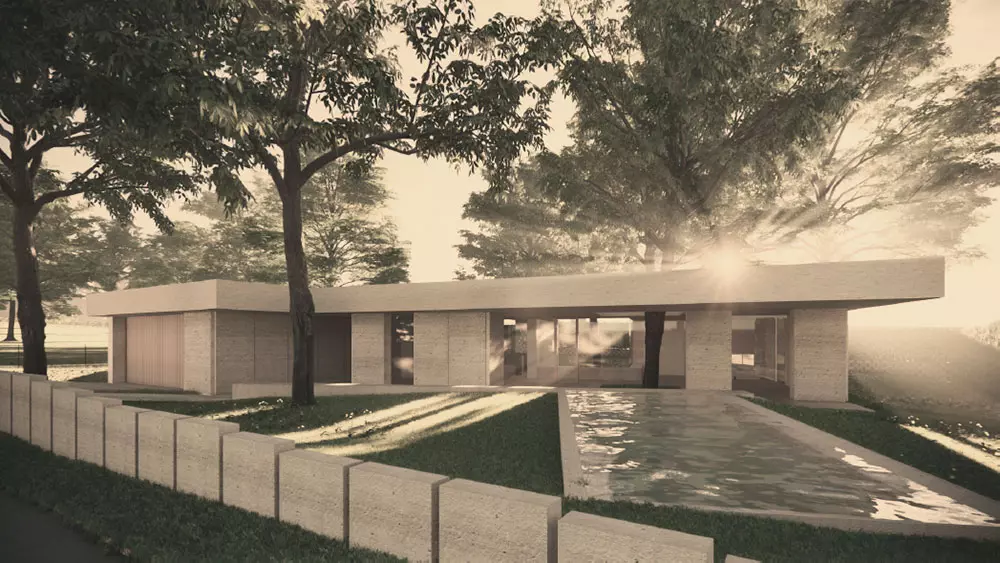
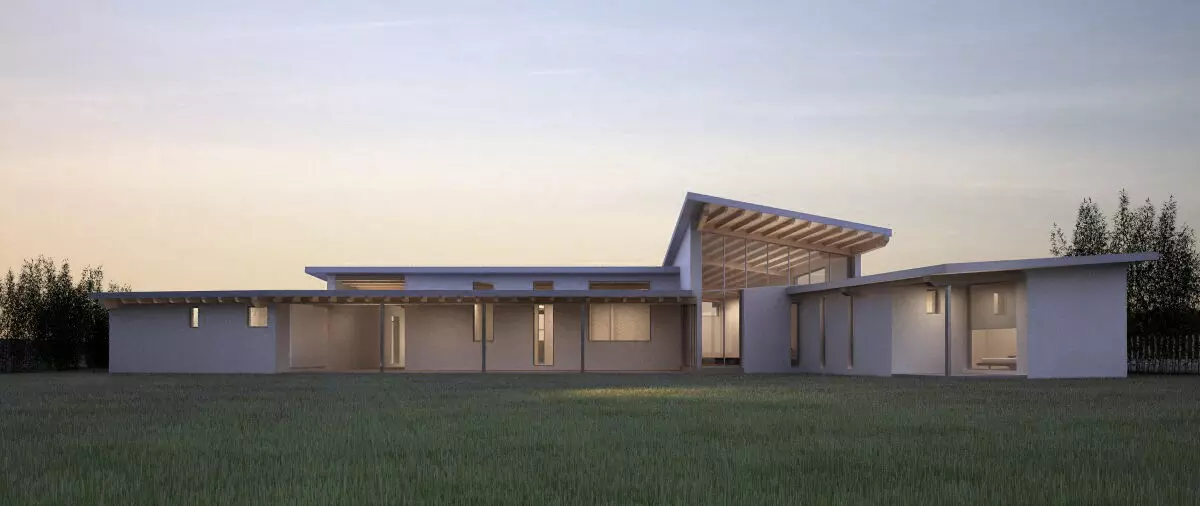
Designed by Carlos Graña Ramos in A Coruña, this home takes advantage of the terrain’s slope to rise toward privileged views of the urban landscape. The L-shaped floor plan protects the house from prevailing winds and creates a private south-oriented microclimate, where the porch and pool integrate into a diaphanous north-south continuity. With a functional ground-floor distribution, the project guarantees constant natural light: morning sun in the eastern bedrooms and maximum afternoon radiation in the day area, achieving a sustainable and efficient architecture that prioritizes thermal comfort and connection with nature.

Image of the news about the COAG awards finalists

COAG awards finalist 2020-2022

Casa Hutmann was selected as one of the four finalists for the COAG 2020-2022 Awards. The recognition from the Official College of Architects of Galicia draws attention to a single-family home in A Coruña shaped by strong material presence, a restrained siting strategy, and a careful relationship with its surroundings.

Photo of the Villa Amelia project

VILLA AMELIA

A CORUÑA

Villa Amelia in A Coruña is born from absolute respect for its surroundings, where a grove of oak trees defines a unique atmosphere that the architecture seeks to preserve. Conceived as an archaic and timeless piece, the house blurs the boundaries between interior and exterior through concrete cantilevers and courtyards that integrate the cycle of the seasons into the home. While the night spaces offer introverted protection, the day area opens to the forest, allowing filtered light and vegetation to penetrate the structure. It is an exercise in organic architecture that provides shelter and belonging, turning inhabiting into an immersive experience within the Galician nature itself.

Photo representing Elviña as a finalist in the Architecture Biennial

FINALIST IN BIENNIAL OF ARCHITECTURE AND URBANISM 2021

A Coruña

The rehabilitation project in San Vicente de Elviña, developed by Guillermo Pomar, stands out as a finalist in the 2021 Spanish Biennial of Architecture and Urbanism (BEAU). Titled “Tradition and social relationship within a Galician rural core,” this architectural intervention proposes an enhancement of traditional architecture and community bonds in the rural outskirts of A Coruña. The recognition in the Biennial underscores the project’s sensitivity in balancing heritage recovery with contemporary needs for coexistence and habitability.

Image of the Casa del Bosque project in Oleiros

FOREST HOUSE

Oleiros

Located in Oleiros, Casa del Bosque (Forest House) is born from absolute respect for an oak grove whose atmosphere defines the project. This timeless architecture with an archaic character assumes the commitment to preserve the natural environment, integrating existing trees into the structure itself through voids in its concrete slab. The house proposes a sequence of spaces with blurred boundaries, where courtyards and cantilevers take advantage of seasonal light and natural thermal control. It is a refuge that balances the protection of the home with an immersive experience, allowing the inhabitant to become part of the forest and its cycles from a warm and connected interior.

Image representing the Illa Corsini National Prize

FIRST NATIONAL PRIZE IN THE ILLA CORSINI COMPETITION

Tarragona

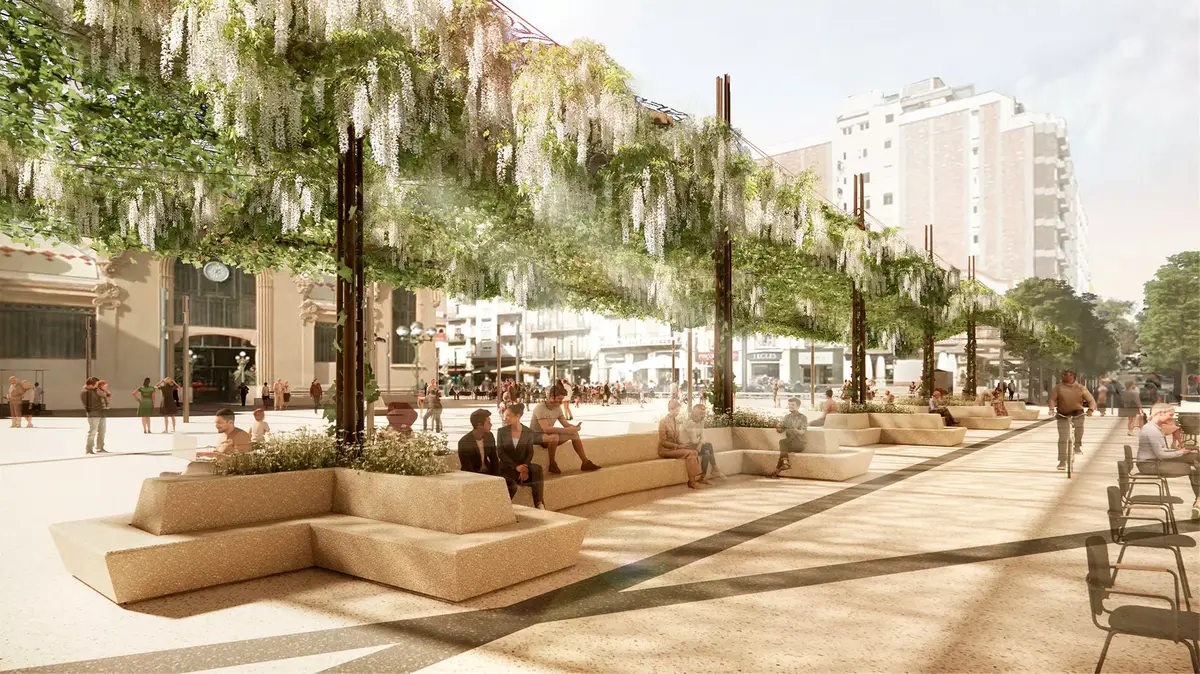
The humanization project of Plaza Corsini in Tarragona, developed in collaboration with Aleix Salazar, won the First National Prize among 34 participating proposals. The intervention focuses on creating an urban oasis that prioritizes citizen well-being through the design of shade and rest areas integrated with strategic vegetation. This winning proposal redefines public space, opting for architecture that improves quality of life and provides nature-based solutions for the regeneration of consolidated urban environments.

Image about the second prize in the Europan competition

SECOND PRIZE IN EUROPAN COMPETITION

Els Rajolars, Valencia

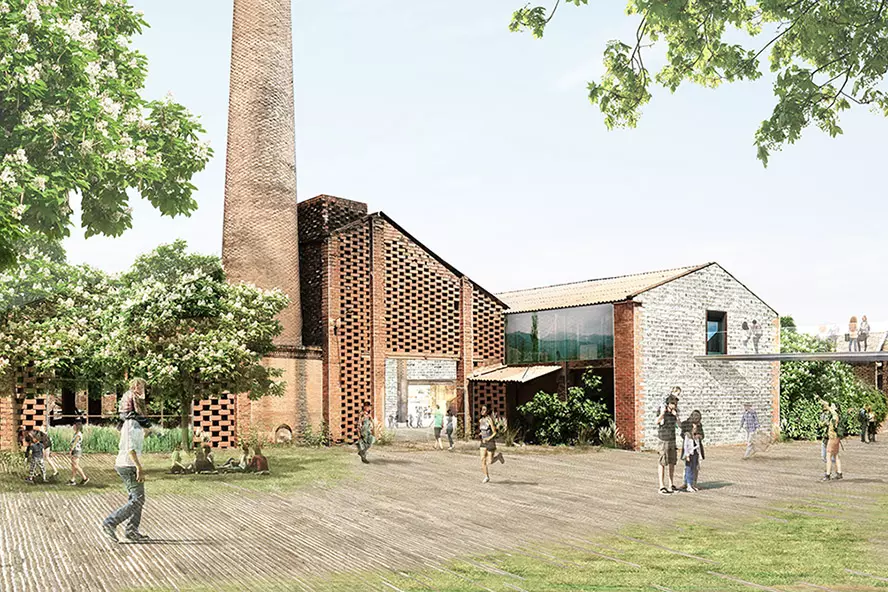
Awarded the Second Prize in the Europan Competition, this project for Els Rajolars proposes a unique atmosphere based on brick, an identifying element of Mediterranean culture. The intervention uses a ceramic mantle to humanize the surroundings, creating pedestrian-priority spaces that connect the urban core with the port. Through a design that reinterprets industrial tradition and the landscape of irrigation ditches, the proposal seeks sustainable mobility and a fluid sensory experience, where architecture acts as a conciliatory axis between the history of the place and the resilience of the contemporary city.

Image about the third prize in the national Plaza de Armas competition

THIRD NATIONAL PRIZE IN COMPETITION. PLAZA DE ARMAS

Ferrol

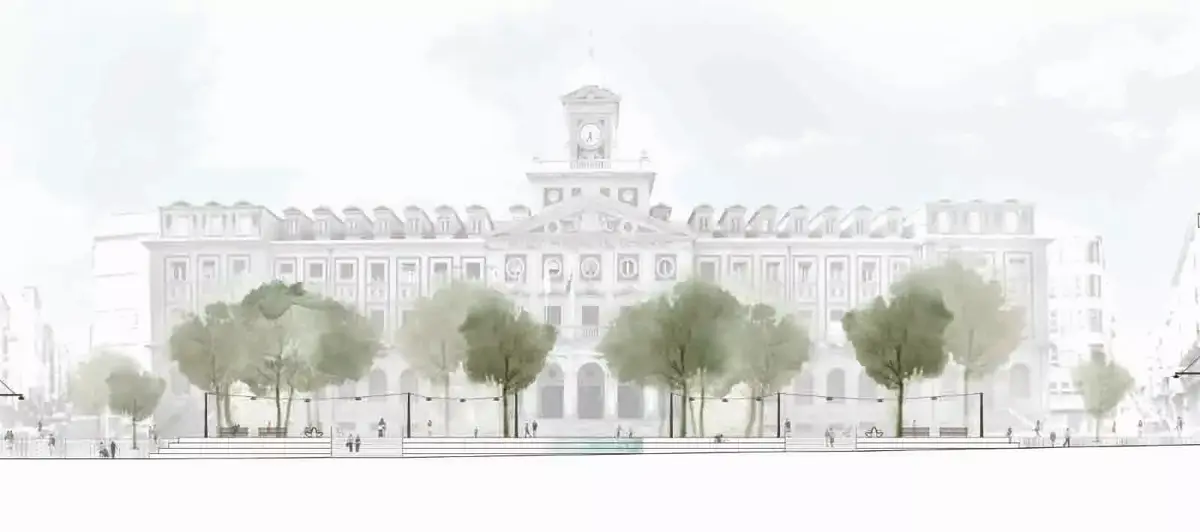
Awarded the Third Prize in the National Competition, this project for the Plaza de Armas in Ferrol proposes recovering public space as a place for citizen encounter and democratic consensus. The intervention commits to the pedestrianization of adjacent streets to create a unified ensemble that prioritizes people over vehicles. Through the integration of nature and an innovative, versatile water feature, the design generates an atmosphere of well-being and tranquility, transforming the square into a dynamic and accessible space that returns the spotlight to the pedestrian and urban social life.

Image of the Casa A project in Ferrol

HOUSE A

Ferrol

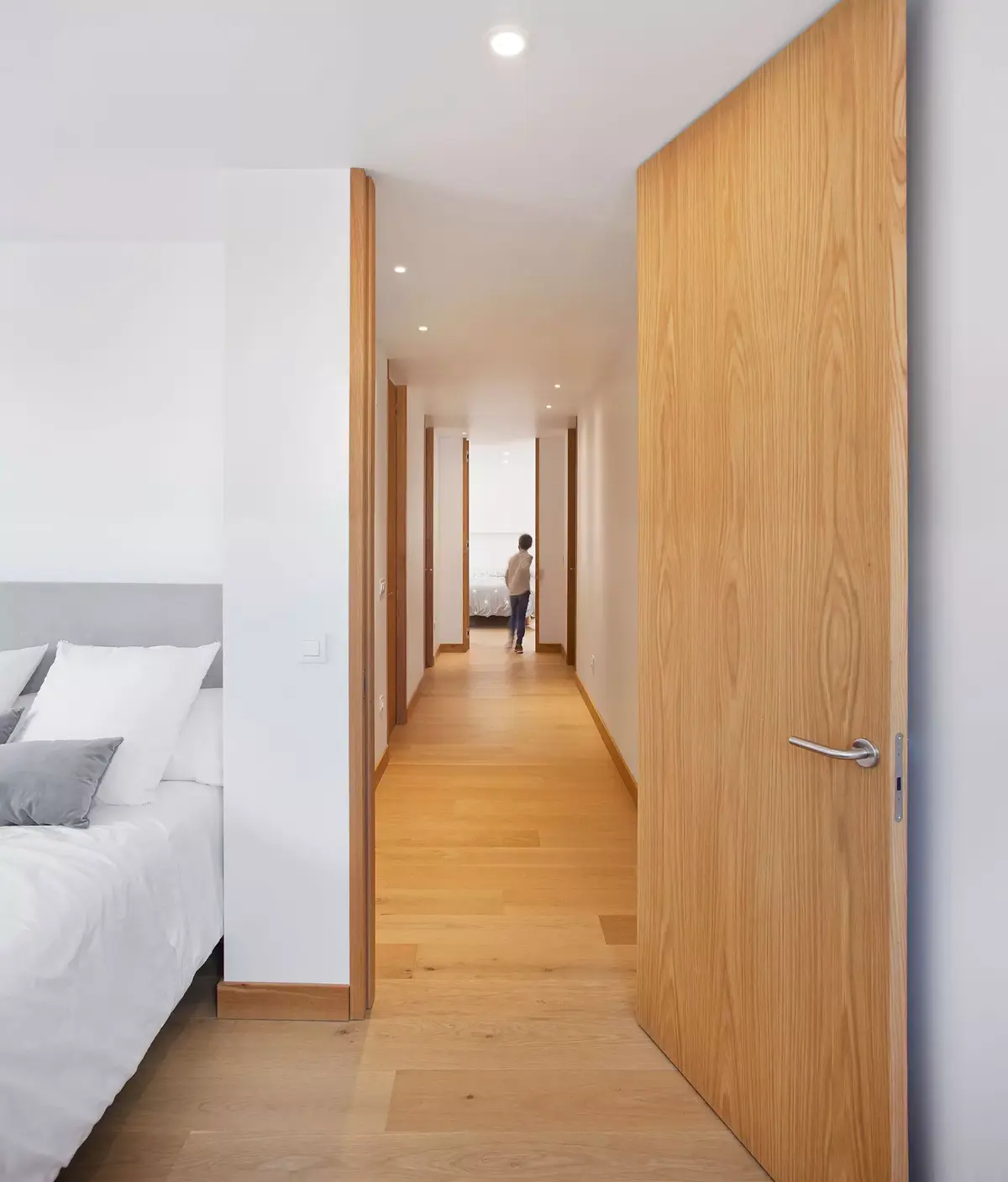
Located in the historic center of Ferrol, the renovation of Casa A redefines domestic circulation by transforming corridors into wide, habitable, and luminous spaces. The project focuses on total spatial continuity, using custom-designed floor-to-ceiling doors that visually connect the day area with the private rooms. This light architectural intervention manages to expand the perception of space and foster interaction between inhabitants, integrating contemporary functionality into the city’s traditional fabric with a meticulous and fluid design.

Image of the Mercure Hotel project in Lugo

MERCURE HOTEL

Lugo

Located just meters from the Roman walls of Lugo, the Mercure Hotel represents an ambitious architectural rehabilitation intervention that transforms the former Compañía de María residence into an 89-room complex. The project stands out for the reuse of the original structure, expanded to 8,500 m² to integrate the building into the urban fabric and connect its spaces with an exceptional 1,800 m² natural plot. Through complex engineering, including the underpinning of six floors to provide underground parking, the architecture respects local tradition while offering a functional and contemporary design that dialogues with Lugo’s history and landscape.

Image of the Pavilion RA project in Narón

PAVILION RA

Narón

Located in Narón, Pavilion RA is an exercise in light architecture that seeks to dissolve the boundaries between shelter and nature. Using a single pillar to support the roof, the project achieves maximum openness and a constant connection with the surroundings and the water. To move the design away from industrial coldness, a laminated wood structure is used to generate a warm and welcoming atmosphere, balancing structural avant-garde with an organic materiality that invites well-being and contemplation.

Image of the Tree House project in Lugo

TREE HOUSE

Lugo

Situated on the slopes of the Miño River bank, Casa Árbol (Tree House) in Lugo is conceived as a volume that floats over the landscape, emulating the lightness of tree branches. The heart of the project is a structural fireplace that functions as a vertical communication axis, allowing zenithal light to bathe the three floors naturally. With a day area that completely blurs the boundaries with the exterior and a lower floor that evokes the protection of a cave open to the water, the home balances the introversion of its bedrooms with its vocation as a lookout, offering an immersive and organic living experience in the heart of Galician nature.

Image of the Oceanographic project in A Coruña

OCEANOGRAPHIC CENTER

A Coruña

The intervention at the Oceanographic Center of A Coruña recovers the soul of the original building by returning the spotlight to its central courtyard, crowned by a unique hyperbolic paraboloid structure. The project balances the solidness of concrete with the warmth of wood in offices and research areas, using water reflections on the roof to bring lightness to the complex. Designed under criteria of technological flexibility, the building allows its facilities to adapt to the constant advances of science, creating an atmosphere of concentration and well-being that encourages interaction and rest in a cutting-edge architectural setting.

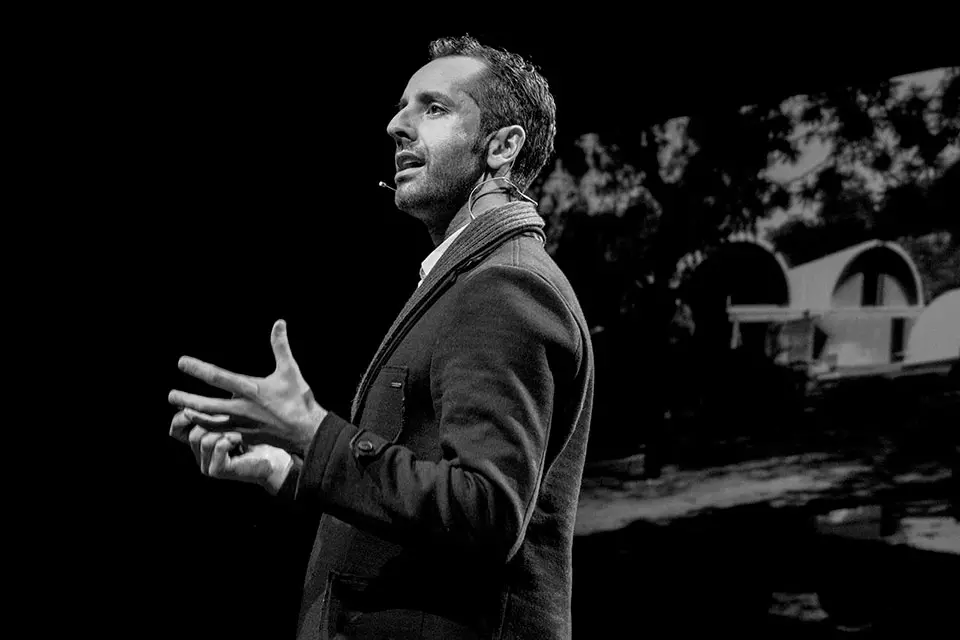
TEDx Arquitectura Emocional. Carlos Graña

TEDx ARQUITECTURA EMOCIONAL. CARLOS GRAÑA

Under the title "Emotional Architecture," Carlos Graña shares in this TEDx Talk a view of the profession centered on people. The talk explores how the design of spaces influences well-being and emotions, and reflects on the everyday impact architecture has on the way we live.

Image of the Casa Melania y Xoaquín project in Ferrol

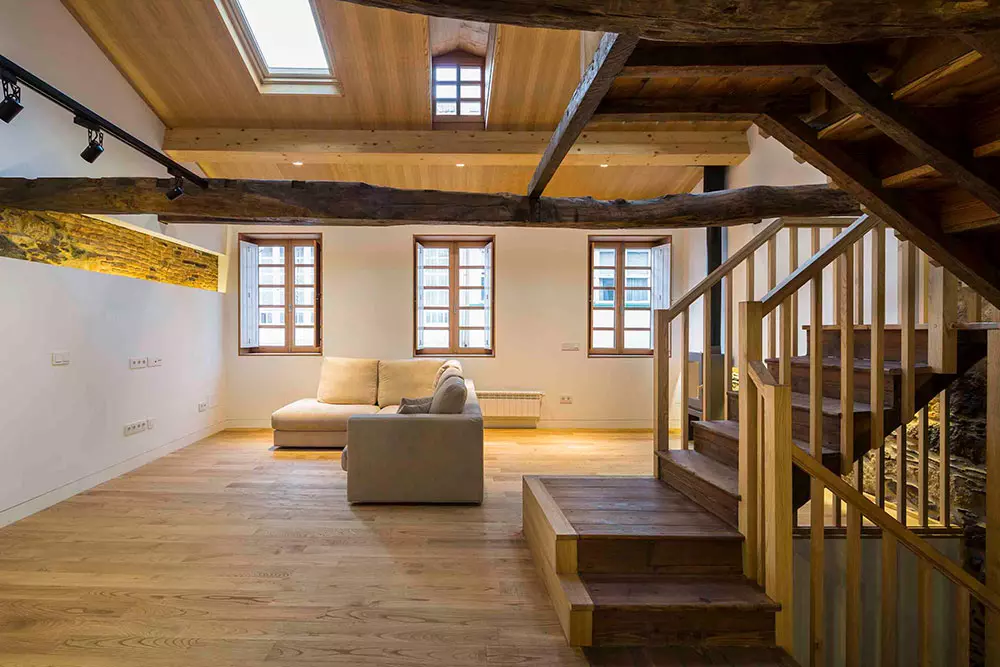
REHABILITATION MX

Ferrol

This comprehensive rehabilitation project recovers a 19th-century building designed by Rodolfo Ucha Piñeiro, located in the historic A Magdalena neighborhood of Ferrol. The intervention transforms a plot of Gothic origin into a contemporary home that combines professional and residential use, prioritizing an open-plan design on the upper floors to foster family coexistence. With absolute respect for the original facade and its galleries, the work highlights the chestnut wood structure and exposed stone and brick walls, achieving a tactile and warm patina that integrates the building’s history with modern functionality and thermal comfort.

Image of the Qué casas news item

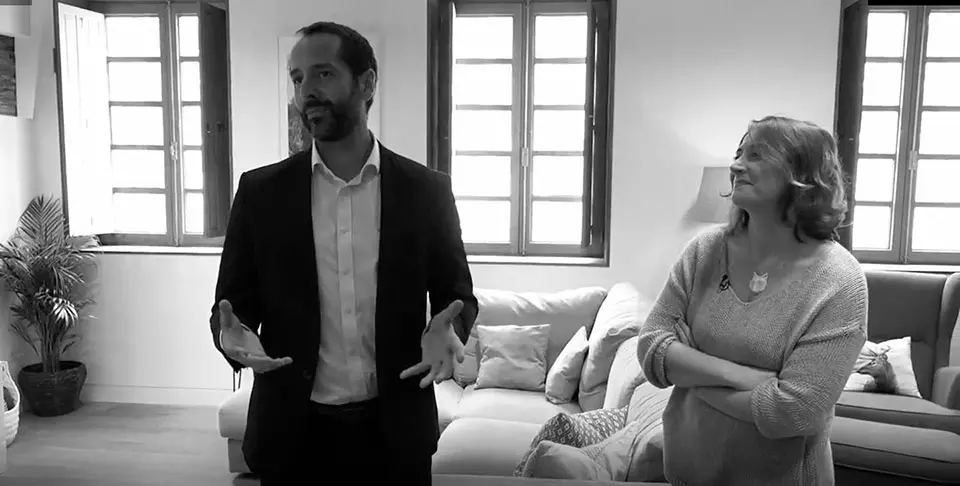
QUÉ CASAS

The home of Melania and Xoaquín, a project we were part of, was featured in the TVG program "Qué casas!". The report presents the house through its everyday use, its spatial organization, and the way it fits into the landscape and local culture.

Image of the news about the visit of the Belgian wood cluster to SEA

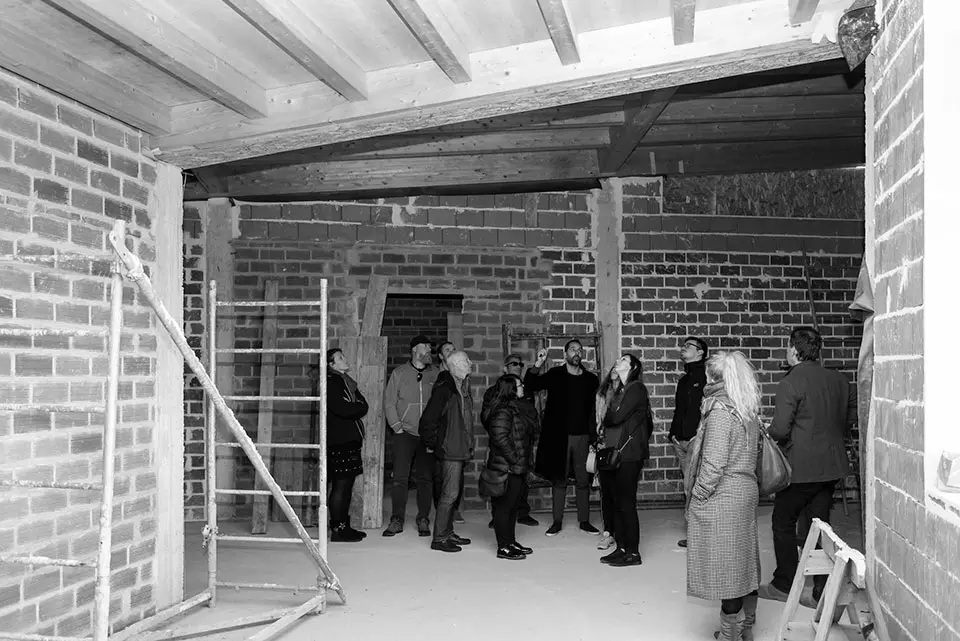
VISIT OF THE BELGIAN WOOD CLUSTER TO OUR BUILDING SITES

Some of our works were visited by the Belgian delegation ASBL Cluster Eco-Construction, interested in seeing projects linked to sustainability and ecological construction at first hand. The meeting became an exchange of views on materials, energy efficiency, and ways of building with greater care for the environment.

Image of the Casa del Sol project in Narón

HOUSE OF THE SUN

Narón

Located in Narón, Casa del Sol (Sun House) is an exercise in sensory architecture designed to follow the daily light cycle. With a strategic orientation that directs the bedrooms to the east and the day areas to the south, the home maximizes solar gain and connection with the outdoors. The project stands out for its laminated wood roof and the use of breathable materials inspired by Swiss efficiency, which allow the house to "breathe" naturally. Coupled with an advanced high-performance aerothermal system, the work balances the tactile warmth of wood with cutting-edge energy technology, creating a healthy, private home deeply connected with its inhabitants.

Cover image of the interview with Carlos Graña for Somos Paisaxe

INTERVIEW OF CARLOS GRAÑA FOR SOMOS PAISAXE

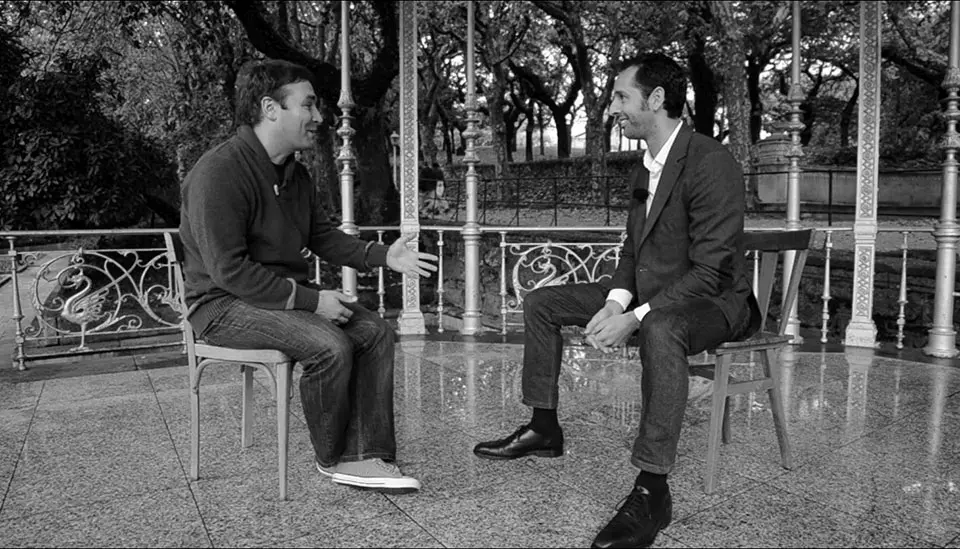
Carlos Graña delves into his vision of architecture and territory in this interview for the program "Somos Paisaxe," hosted by Marcos Pérez of the Fundación Galicia Sustentable. The conversation addresses the architect’s responsibility toward the Galician landscape and the importance of developing projects that respect local identity and its balance with contemporary life.

Image of the Noro Building project in A Pobra do Caramiñal

NORO BUILDING

Pobra do Caramiñal

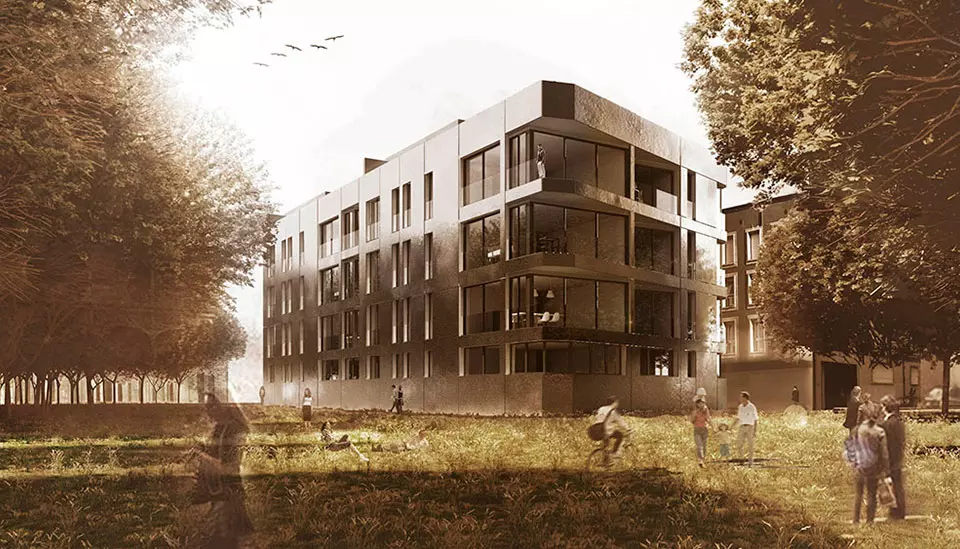
The Noro Building is situated in a privileged location in A Pobra do Caramiñal, bordering a natural park and just meters from the beach. This residential complex of 29 homes was designed under strict criteria of sustainability and energy efficiency, deeply respecting the Galician environment. With direct access to a river walk, the design seeks to redefine the home experience, offering a refuge that combines the convenience of daily life with the serenity of a holiday destination, always in direct contact with nature and the sea.